Lower Your Summer Utility Bills: Efficiency Boosts from Spring HVAC Maintenance
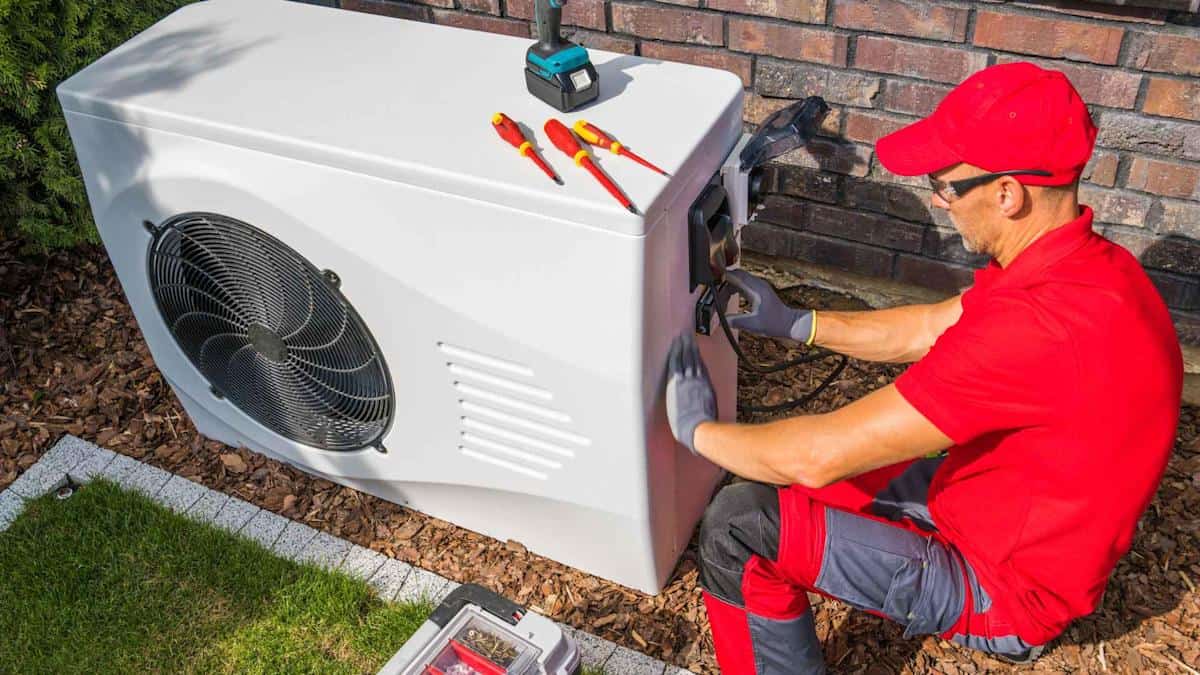
As spring unfolds and the landscape turns lush and green, homeowners begin to enjoy warmer days and longer evenings. However, this seasonal beauty also signals something important; summer heat is just around the corner. In many regions, temperatures can spike quickly, and humidity can make indoor comfort harder to maintain. This beginner-friendly guide will walk you through how spring HVAC maintenance can help lower your summer utility bills. More importantly, it will show you practical, easy-to-follow steps to improve efficiency, extend system life, and maintain comfort—all without overspending.
When the humidity rolls off the Susquehanna and the temperatures climb toward the 90s, your home’s cooling system becomes its most important asset. At Ranck Plumbing, Heating, AC & Excavation, we’ve spent over 70 years helping our neighbors in Lancaster, Berks, and York counties navigate these seasonal shifts. One of the most frequent conversations we have this time of year centers on a common goal: keeping the home comfortable without watching the electric bill skyrocket.
Lowering your utility bills isn’t about a single “magic” thermostat setting; it’s about ensuring your system is prepared for the marathon ahead. By focusing on efficiency during the “golden window” of spring, you can enjoy a cooler home and a lighter financial burden all summer long.
Why Spring Is the Perfect Time for HVAC Maintenance
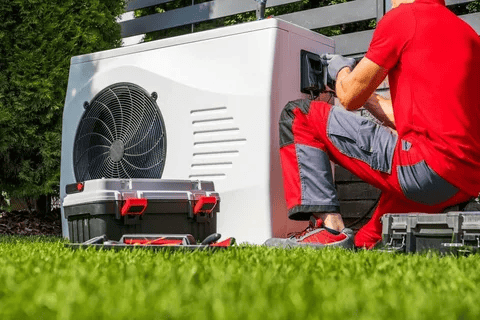
First and foremost, timing matters. Spring offers the ideal window to prepare your system before it faces extreme summer demand.
Think of your air conditioner like a car. After sitting idle for months, it needs a check-up before a long road trip. Similarly, your HVAC system needs attention before it begins running daily in high temperatures.
By scheduling maintenance in spring, you can:
- Catch small issues before they become expensive repairs
- Improve system efficiency before peak usage
- Avoid emergency breakdowns during heatwaves
- Ensure consistent cooling performance
Moreover, technicians are typically less busy in spring. That means faster service, flexible scheduling, and often lower costs compared to peak summer months.
In short, acting early gives you control. Waiting until summer, on the other hand, often means reacting to problems instead of preventing them.
How HVAC Maintenance Improves Your Air Conditioning System Efficiency
The Relationship Between Clean Coils and Low Bills
Your air conditioning system relies on two main coils: the evaporator coil (located inside) and the condenser coil (the outdoor unit). Over time, these coils naturally collect dust, pollen, and Lancaster County grass clippings.
When the outdoor unit is “choked” by debris, it cannot release heat effectively. This forces the compressor to work harder and run longer cycles to reach your desired temperature. That extra effort shows up directly on your PPL or Met-Ed bill. Simply ensuring these coils are meticulously cleaned can improve your system’s efficiency by up to 15%, allowing it to breathe easy when the Pennsylvania humidity is at its worst.
Understanding Your Air Conditioning System
The Basics Every Homeowner Should Know
Before diving deeper, it’s helpful to understand how your air conditioning system works. At its core, your system removes heat from inside your home and releases it outside.
Here are the main components:
- Evaporator Coil (Indoor Unit): Absorbs heat from indoor air
- Condenser Coil (Outdoor Unit): Releases heat outside
- Compressor: Circulates refrigerant through the system
- Thermostat: Controls temperature settings
When all these components work together efficiently, your home stays cool with minimal energy usage. However, even one malfunctioning part can disrupt the entire process.
For instance, dirty coils or low refrigerant levels force the system to run longer cycles, consuming more electricity. Therefore, regular spring HVAC maintenance ensures each component functions at its best.
Clean Coils, Lower Bills
Why Coil Maintenance Matters More Than You Think
One of the most overlooked aspects of HVAC maintenance is coil cleaning. Yet, it plays a major role in system efficiency.
Your system has two main coils:
- Evaporator coil (indoor unit)
- Condenser coil (outdoor unit)
Over time, these coils collect dust, dirt, pollen, and debris. When this buildup occurs, heat transfer becomes less effective.
Consequently, your system must work harder to cool your home.
What Happens When Coils Are Dirty?
- Cooling efficiency drops significantly
- Energy usage increases
- Compressor strain rises
- System lifespan shortens
On the other hand, clean coils allow your system to release and absorb heat efficiently. This can improve performance by up to 15%.
Beginner Tip:
- Gently clean around your outdoor unit
- Remove leaves, grass, and debris
- Schedule professional coil cleaning annually
By taking this simple step, you immediately improve efficiency and reduce unnecessary energy waste.
Airflow: The Lifeblood of Efficiency
Airflow is the most critical factor in HVAC performance. When airflow is restricted, your system essentially “suffocates,” which can lead to frozen coils and motor burnout.
- Filter Quality: Changing your filter is the simplest task a homeowner can do, yet it is often the most neglected. A clogged filter restricts air, forcing the blower motor to draw more energy to move the same amount of air.
- Ductwork Integrity: In many of the historic homes throughout Lancaster or Chester County, ductwork can become leaky or uninsulated over time. If cool air is escaping into your attic or crawlspace, you’re paying to cool areas where no one lives. Checking the seals on your ducts ensures the air you pay for actually reaches your living room.
Common Causes of Poor Airflow
- Dirty Air Filters
A clogged filter blocks air movement, forcing your system to work harder. - Leaky Ductwork
Air escapes before reaching living spaces, wasting energy. - Blocked Vents
Furniture or dust buildup restricts circulation.
How to Improve Airflow
- Replace air filters every 1–3 months
- Keep vents clean and unobstructed
- Inspect ductwork for leaks or damage
- Schedule professional duct sealing if needed
Why This Matters
Improving airflow not only lowers energy bills but also prevents issues like:
- Frozen coils
- Uneven cooling
- Increased wear on components
Simply put, better airflow equals better performance and lower costs.
Calibrating for Precision and Comfort
Is your thermostat actually telling the truth? Even a deviation of a few degrees can cause your system to cycle more frequently than necessary. Small electrical inconsistencies or a thermostat that isn’t level can lead to “short-cycling,” which is one of the biggest drains on your utility budget.
For homes with specific “hot spots” or additions that are hard to cool, spring is also a great time to evaluate if your current setup is the most efficient option. For instance, high-efficiency ductless mini-split systems are often used for “zoned” cooling, allowing you to focus energy only on the rooms you are using most, rather than cooling the entire house at maximum power.
Small Adjustments, Big Impact
Your thermostat plays a crucial role in controlling energy usage. However, many homeowners overlook its importance.
Even a small calibration issue can cause your system to run more often than necessary.
Common Thermostat Problems
- Incorrect temperature readings
- Poor placement (near heat sources or sunlight)
- Outdated or manual systems
Smart Ways to Optimize Your Thermostat
- Set your thermostat to a consistent temperature
- Increase it by 3–4 degrees when using ceiling fans
- Upgrade to a programmable or smart thermostat
- Avoid frequent manual adjustments
However, remember to turn fans off when leaving the room. Fans cool people—not spaces.
Monitoring Refrigerant Levels
Low refrigerant is a common culprit for high utility bills. If a system is low, it is almost always due to a small leak. Running a system with the incorrect refrigerant charge doesn’t just cost more; it places immense strain on the compressor, which is the “heart” of your AC. Identifying these levels early ensures you have a long-lasting solution that protects the life of your equipment.
Why Proper Charging Is Essential
Refrigerant is the substance that allows your air conditioner to cool your home. Without the correct amount, your system cannot function properly.
Low refrigerant is usually caused by leaks—not normal usage.
Signs of Low Refrigerant
- Weak cooling performance
- Longer run times
- Higher energy bills
- Ice buildup on coils
Why It Matters
Running a system with low refrigerant can:
- Damage the compressor
- Increase operating costs
- Lead to complete system failure
Therefore, it’s important to have refrigerant levels checked during spring maintenance. Addressing leaks early prevents costly repairs later.
Schedule HVAC Maintenance Early
Stay Ahead of Summer Demand
One of the smartest decisions you can make is to schedule HVAC maintenance before the summer rush.
Benefits of Early Scheduling
- Avoid peak-season delays
- Prevent emergency repairs
- Ensure optimal system performance
Technicians can thoroughly inspect your system, clean components, and make necessary adjustments. This proactive approach saves both time and money.
Long-Term Benefits of Spring HVAC Maintenance
More Than Just Lower Bills
While the primary goal is to lower your summer utility bills, the benefits extend beyond cost savings.
Increased System Lifespan
Regular maintenance reduces wear and tear, helping your system last longer.
Improved Indoor Air Quality
Clean filters and ducts reduce allergens and pollutants.
Fewer Breakdowns
Preventative care minimizes unexpected repairs.
Enhanced Comfort
Consistent temperatures and better airflow improve overall living conditions.
Practical Summer Pro-Tips for Homeowners
Beyond professional maintenance, there are several steps you can take to support your system’s efficiency throughout the summer:
- Clear the Perimeter: Ensure there are at least two feet of clearance around your outdoor condenser unit. Trim back any shrubs, weeds, or tall grass that might have grown during the spring to allow for proper heat rejection.
- The “Wind Chill” Effect: Use ceiling fans in occupied rooms. This allows you to raise the thermostat by about 4 degrees without losing comfort, as the moving air helps moisture evaporate from your skin. Just remember to turn the fan off when you leave the room—fans cool people, not spaces!
- Manage Solar Heat Gain: During the hottest part of the afternoon, keep your curtains or blinds closed on the sunny side of your house. This reduces the “greenhouse effect” and prevents your AC from having to fight against the sun’s natural heat.
The Ranck Approach: Honest Solutions Since 1953
At Ranck Plumbing, Heating, AC & Excavation, we believe in the “Golden Rule”—treating every home with the same respect and care we would our own. Since Bob Ranck founded the company in 1953, our mission has been to provide transparent, reliable service without the pressure of a sales pitch. We focus on excellence in workmanship because we know that 89% of our work comes from returning customers and referrals.
Our goal is never a “quick fix,” but a long-lasting relationship built on trust and integrity. Whether you are in Akron, Lititz, or York, we are committed to ensuring your home remains a sanctuary of comfort.
Ready to ensure your home is ready for the summer heat?
Contact Ranck today to schedule your Spring HVAC Tune-Up. We’re here to help you achieve a worry-free summer with a system you can trust.
Call us 24/7 at 717-397-2577 or visit JustCallRanck.com to book your appointment.
FAQs
1. How often should I schedule HVAC maintenance?
You should schedule HVAC maintenance at least once a year, ideally in spring before heavy summer use.
2. Can changing my air filter really lower energy bills?
Yes. A clean air filter improves airflow, allowing your system to operate efficiently and use less energy.
3. What temperature should I set my thermostat in summer?
A recommended setting is around 24–26°C (75–78°F). Adjust slightly higher when using fans.
4. How do I know if my refrigerant is low?
Signs include poor cooling, longer run times, and ice buildup on coils. A professional should inspect it.
5. Is upgrading to a new HVAC system worth it?
If your system is over 10–15 years old, upgrading can significantly reduce energy costs and improve comfort.
6. What is the easiest way to improve HVAC efficiency?
Regularly changing air filters, keeping vents clear, and scheduling annual maintenance are the easiest and most effective steps.